System selection: durability and exposure
Intumescent coating system selection: durability, exposure and compatibility.
Fire duration is an important design input, but it is not the only question in selecting an intumescent coating system. This guide explains the construction, in-service, substrate and compatibility information that the responsible project and manufacturer parties need to consider before an application route is planned.
A required fire duration is necessary, but it is not the whole system decision.
The fire strategy and project design establish the required performance. The selected system still needs to be assessed against steel/member information, the intended environment and the manufacturer’s tested, approved system information. A contractor should not convert a stated period into a generic product choice or coating thickness.
Separate construction-phase exposure from the completed building environment.
Steel intended for an internal environment can still encounter rain, humidity, UV exposure, temperature variation or contamination before the envelope is complete. Record the likely transport, storage, construction and in-service conditions so the relevant design and manufacturer parties can consider the complete exposure route rather than only the finished room.
Treat primer, intumescent layer and topcoat as one approved system.
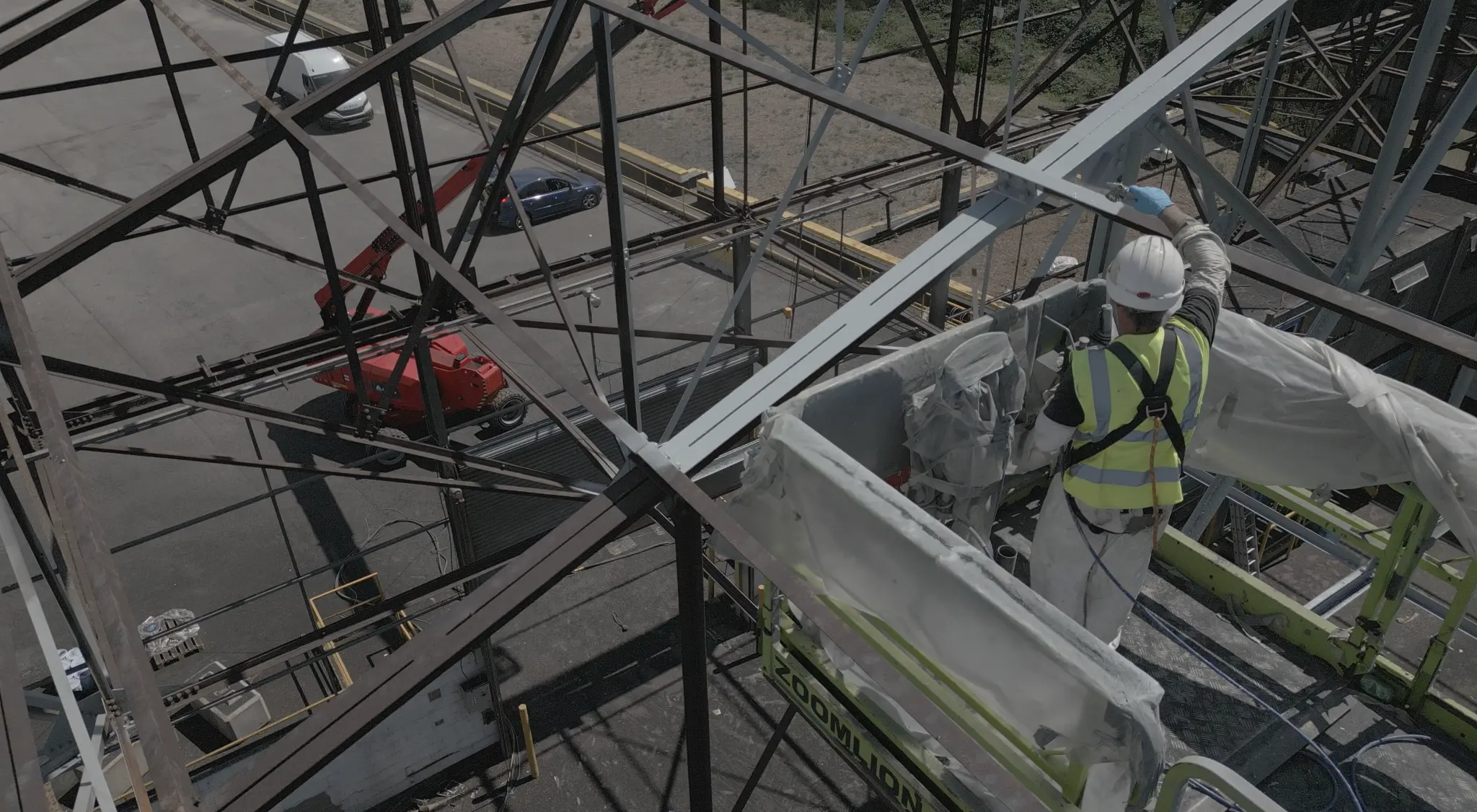
The substrate, primer, reactive layer and any decorative or protective topcoat work together. Existing or shop-applied primer information, intended colour or finish, repair areas and manufacturer-approved compatibility data should be available before the steel is treated as ready for application. Do not assume that products can be combined simply because they are commonly used coatings.
Visible finish, steel geometry and programme still affect the practical route.
Architecturally visible steel, congested connections, difficult repairs, access restrictions, masking, curing windows and follow-on trades can affect how an approved system is delivered. These are planning inputs for the project team and contractor; they do not replace manufacturer or design confirmation of the system itself.
Put unanswered decisions with the responsible party.
Use the available project information to distinguish system questions from delivery questions. The responsible design and selected manufacturer parties confirm the technical system and its approved use. Premier Blasting can then review substrate condition, access and programme to plan the agreed preparation and application scope.
Project planning sequence
How system-selection inputs are prepared for review
Every project starts with its own issued information and workface conditions. This is the practical sequence used to define a coating scope before mobilisation.
Confirm the issued technical basis
Gather the required resistance information, available fire strategy, member information and the responsible contacts for outstanding design or system decisions.
Record construction and end-use exposure
Capture whether the steel may be exposed during transport, construction or an incomplete envelope, alongside the intended in-service environment.
Identify the complete coating-layer information
Record substrate condition, primer identity, intended finish and available manufacturer-approved compatibility information for the complete coating system.
Refer system decisions for confirmation
Ask the responsible designer and selected manufacturer to confirm the appropriate tested system before contractor application planning is finalised.
Planned around the actual steel and access.
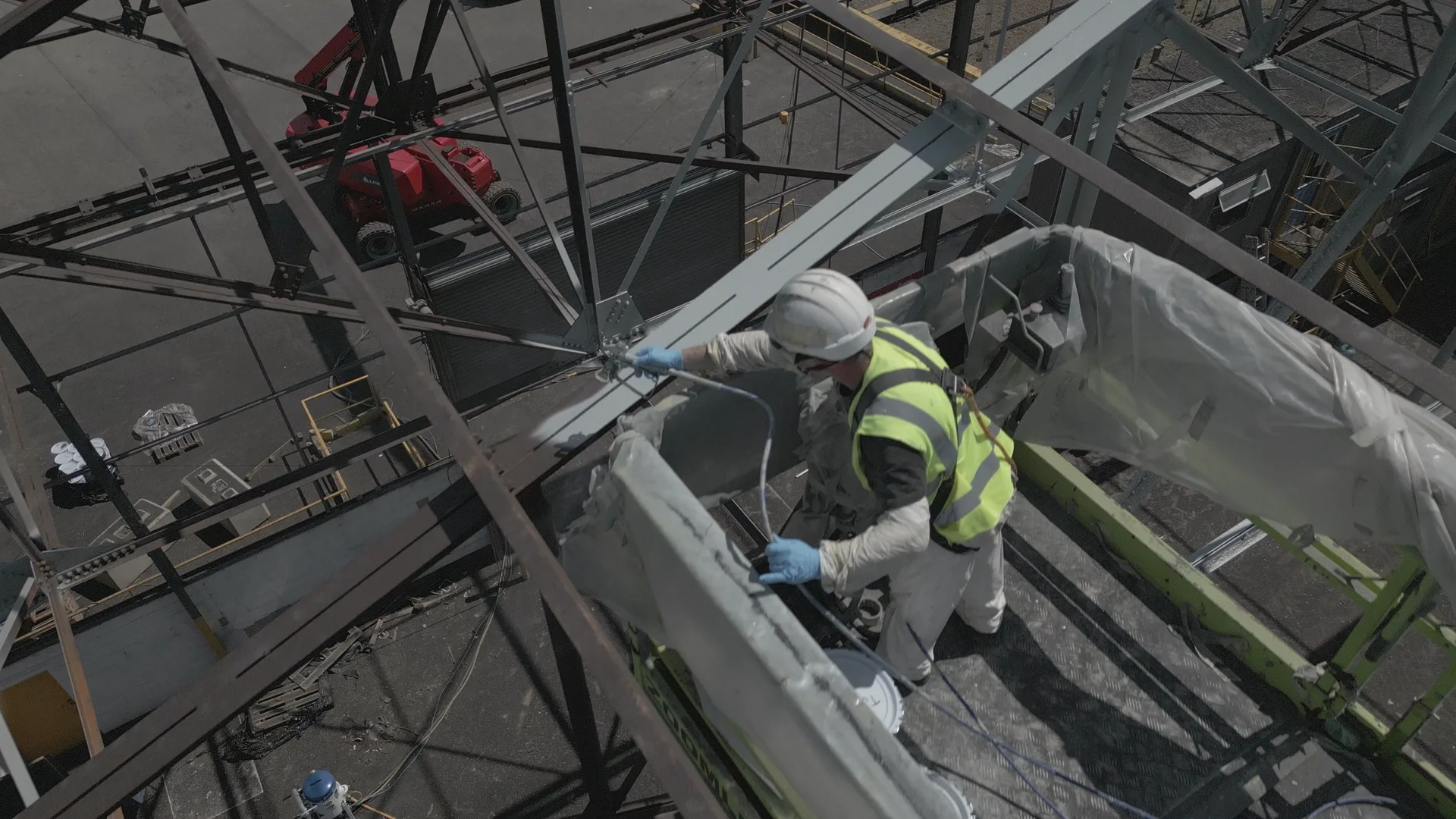
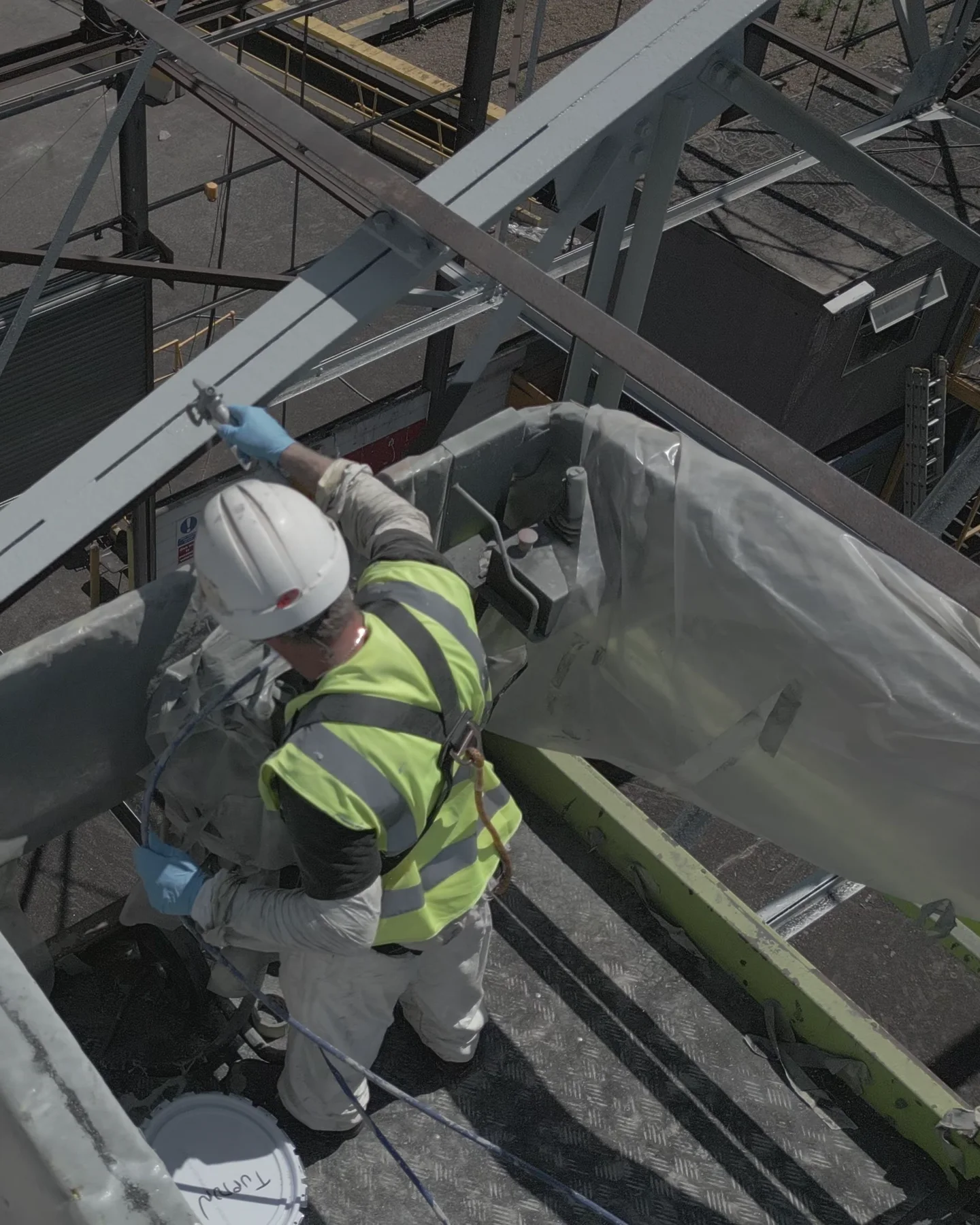
Our work is organised around the practical workface: steel geometry, access, protection measures and the specified coating route.
Questions before mobilisation
Project details, answered clearly.
Early answers on scope, access and sequencing help the work package move forward with fewer assumptions.
Ask another question01Does an internal end-use environment always mean a protective topcoat is unnecessary?
No. Construction-phase and end-use conditions need to be considered together, and the selected manufacturer should confirm the approved complete system for the project. A temporary exposure risk should not be ignored simply because the intended final environment is internal.
02Can a general description of the environment select the coating system?
No. Environmental description is one of several inputs. The responsible project and manufacturer parties must consider the issued design information, tested system data, steel and substrate information, construction exposure and intended end-use conditions.
03Can an existing shop primer be assumed to be compatible with intumescent coating?
No. Primer identity, condition, applied system information and manufacturer-approved compatibility need to be confirmed before an application-only route is assessed.
04Can you confirm the required coating thickness from the fire rating alone?
No. The required build is system- and section-specific. We work from the approved product schedule, steel information, required resistance period and project specification.
05Can Premier Blasting provide both preparation and application?
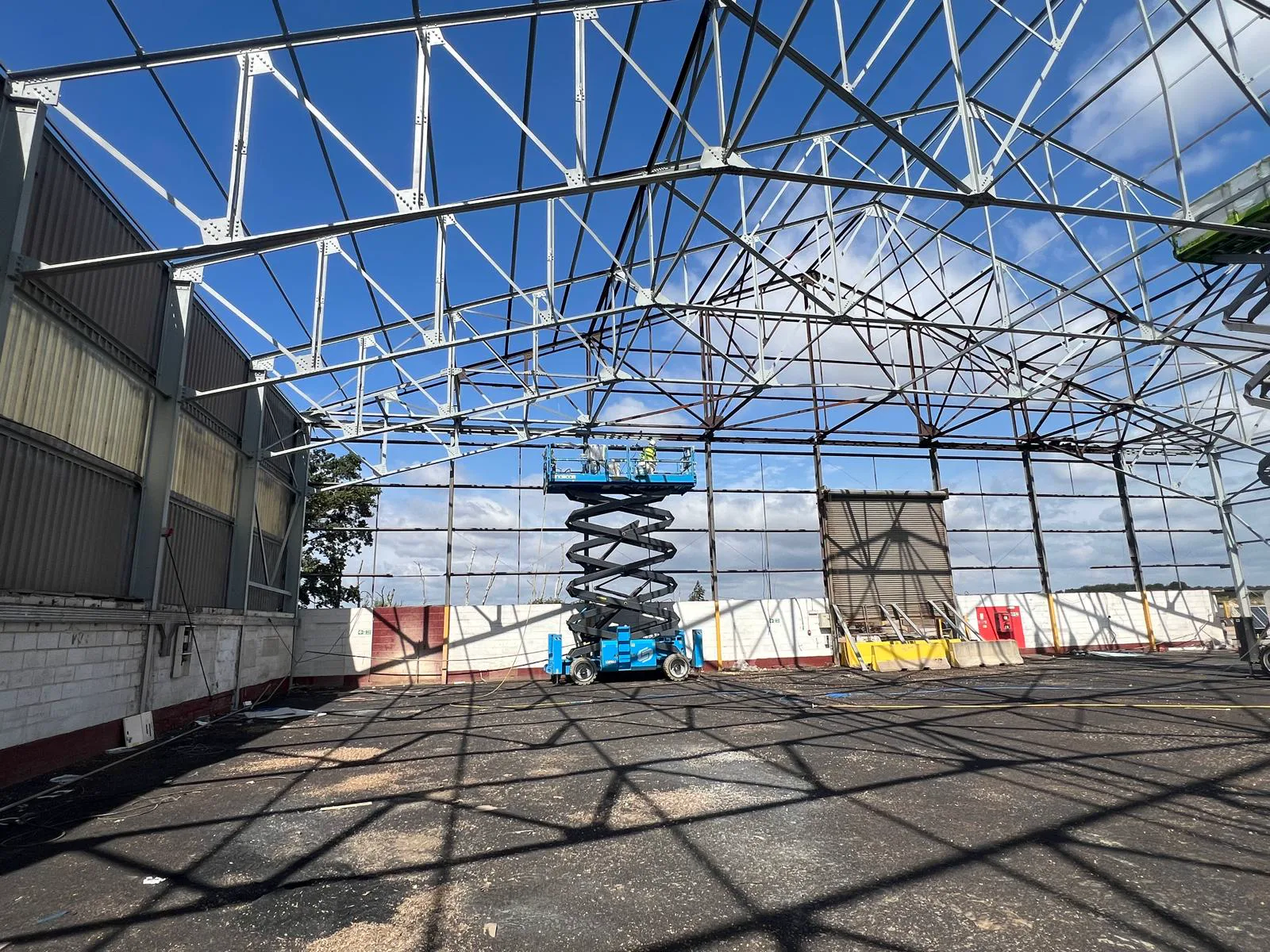
Yes. Where the project requires it, one delivery team can complete abrasive preparation, compatible primer application, intumescent coating and the specified finish as one coordinated sequence.
Prepared. Applied. Coordinated.
Need a contractor to review the steelwork and scope?
Share the project information you already have. We will identify the next practical step.