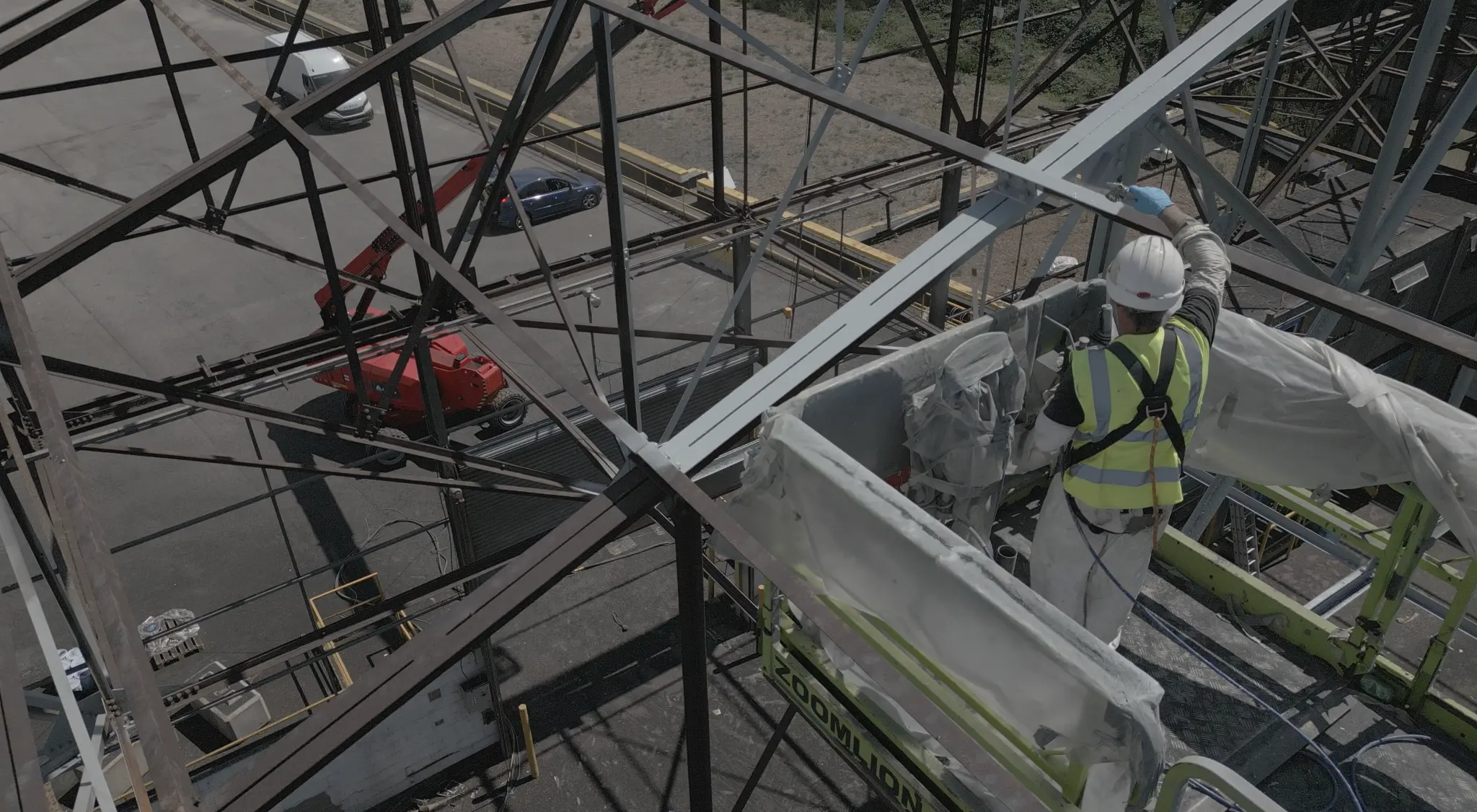
Technical guide and contractor service
Passive fire protection for steel, explained and delivered with care.
Passive fire protection is built into a building so it can contribute without activation by an operator. Thin-film intumescent coatings are one reactive form of protection used on structural steel.
What an intumescent coating does.
At normal temperatures the coating resembles a decorative paint finish. Under elevated temperature it reacts and expands to form an insulating char, helping delay heat transfer to the steel for the period supported by the tested and specified system.
Passive fire protection is broader than one coating type.
Boards, cementitious sprays and reactive coatings can all play roles in structural fire protection. The project fire strategy, architecture, environment, programme and tested evidence inform the selected route.
Compliance remains a design and project-team responsibility.
Statutory fire-safety guidance supports Building Regulations compliance; it is not a coating approval. The responsible design team defines the required performance, and the contractor installs the approved system within the agreed scope.
Project planning sequence
How a passive fire-protection coating scope is planned
Every project starts with its own issued information and workface conditions. This is the practical sequence used to define a coating scope before mobilisation.
Review the design information
Use the project fire strategy and issued information to understand the required performance and the scope allocated to the coating package.
Confirm the approved system
Work from the specified product-system information, member data and any approved schedule rather than applying a generic thickness assumption.
Prepare the steelwork
Address substrate condition, compatible primer requirements, access and adjacent-surface protection before application begins.
Apply the defined scope
Complete the contracted application route in line with the agreed system requirements, project sequencing and stated acceptance points.
Planned around the actual steel and access.
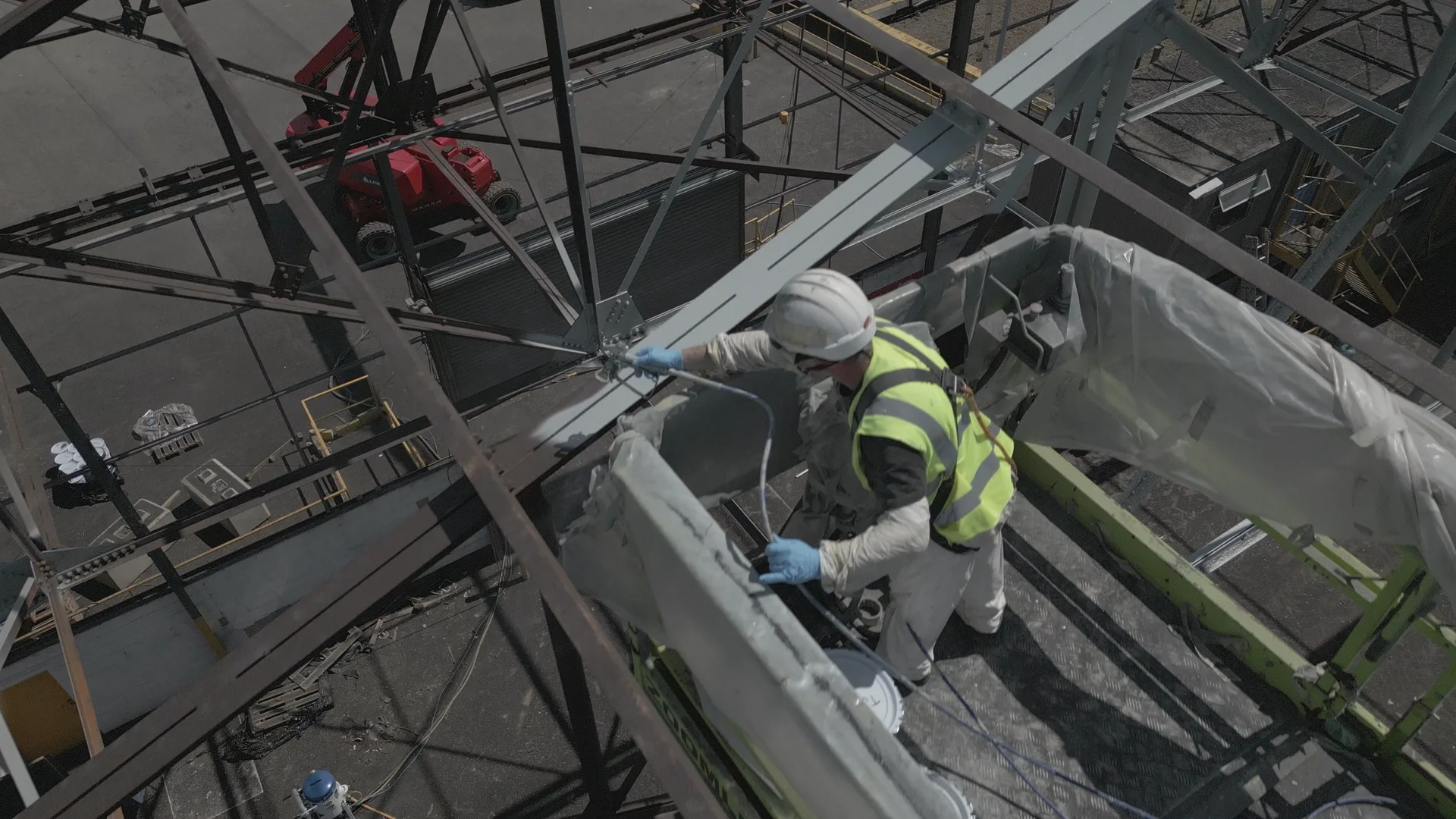
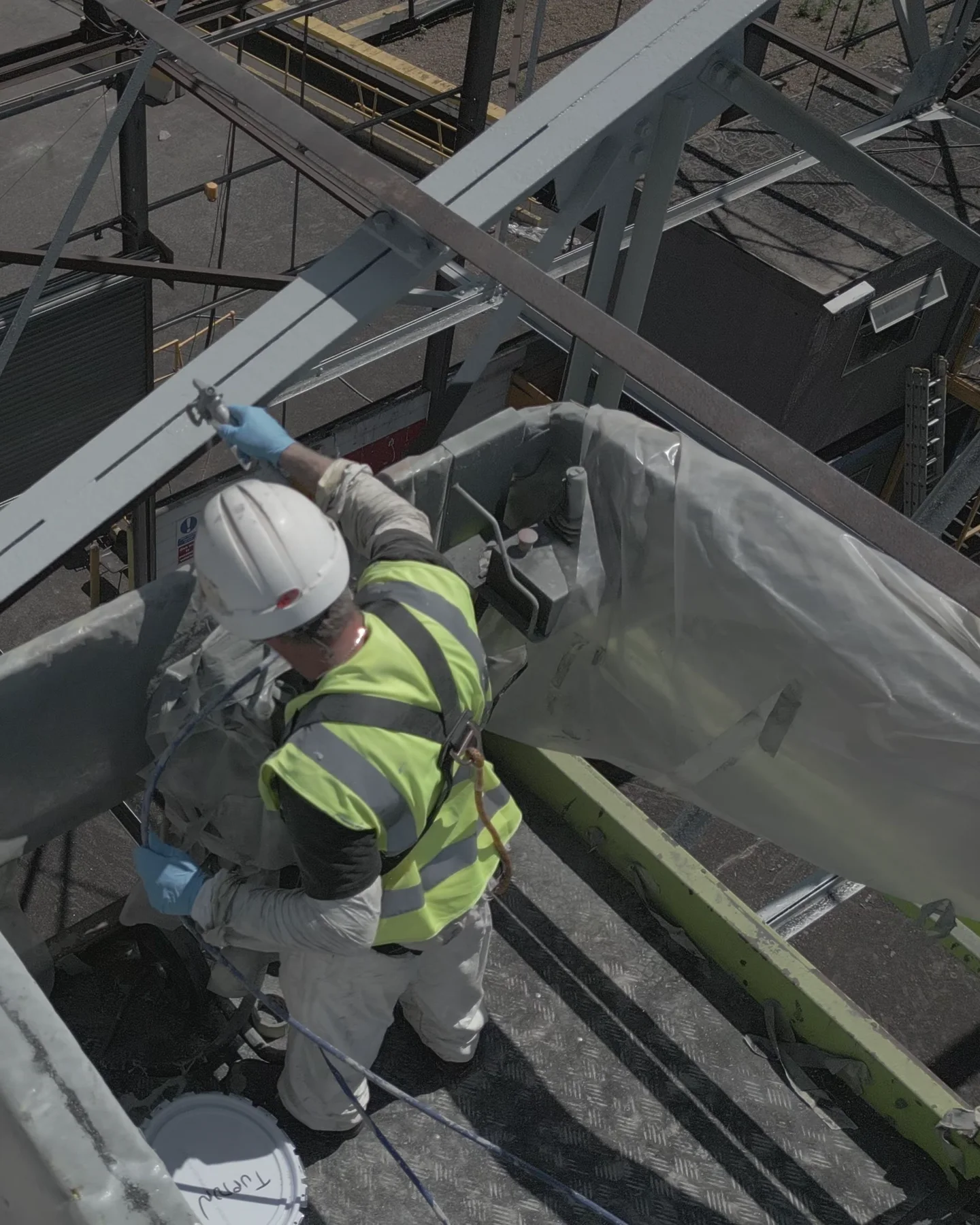
Our work is organised around the practical workface: steel geometry, access, protection measures and the specified coating route.
Questions before mobilisation
Project details, answered clearly.
Early answers on scope, access and sequencing help the work package move forward with fewer assumptions.
Ask another question01Is intumescent paint the same as all passive fire protection?
No. It is one reactive method used within the wider passive fire-protection field. Other systems include boards and non-reactive sprayed materials.
02Can you confirm the required coating thickness from the fire rating alone?
No. The required build is system- and section-specific. We work from the approved product schedule, steel information, required resistance period and project specification.
03Can Premier Blasting provide both preparation and application?
Yes. Where the project requires it, one delivery team can complete abrasive preparation, compatible primer application, intumescent coating and the specified finish as one coordinated sequence.
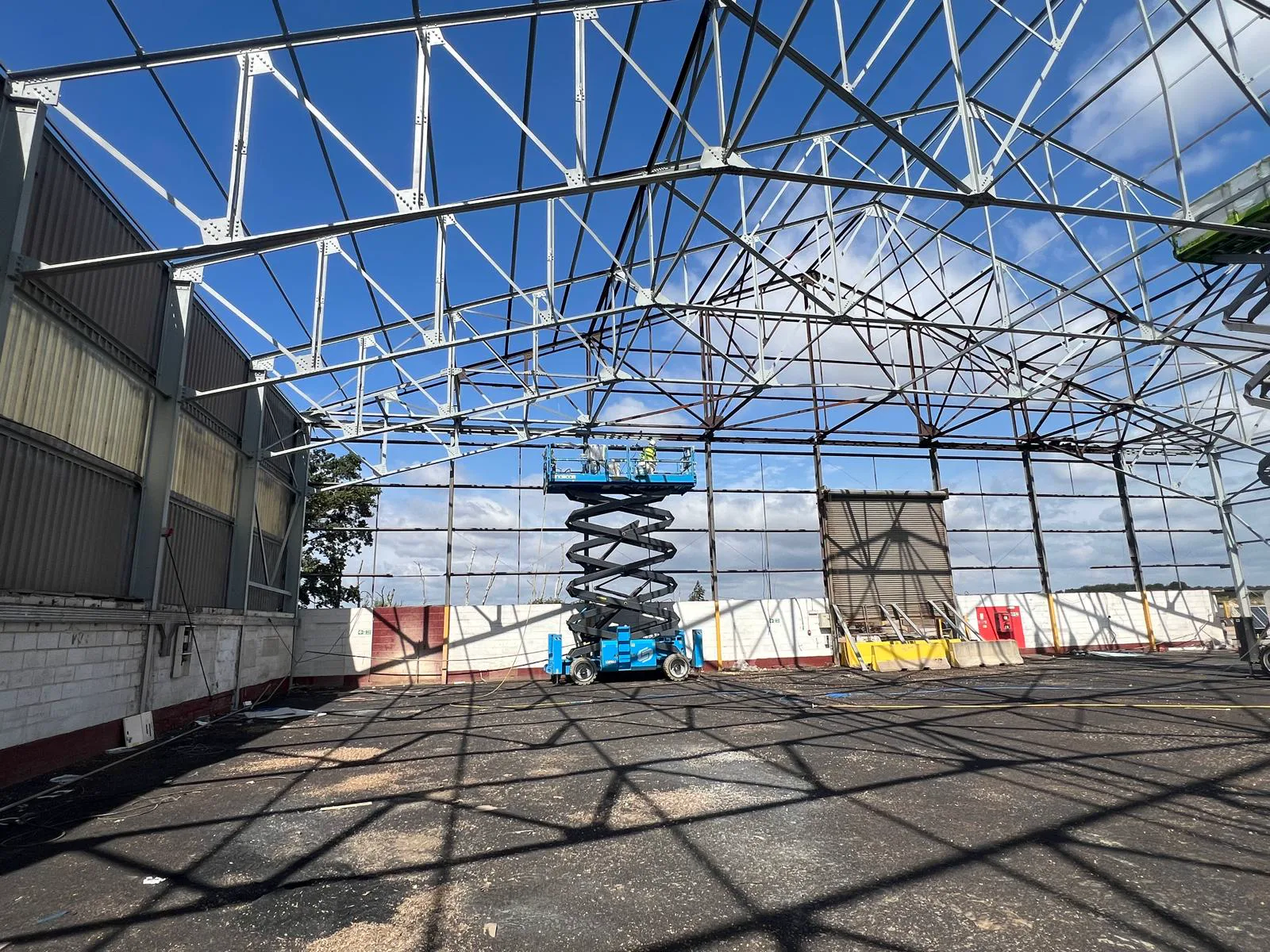
Prepared. Applied. Coordinated.
Need a contractor to review the steelwork and scope?
Share the project information you already have. We will identify the next practical step.