01Can Premier Blasting handle both preparation and intumescent painting?
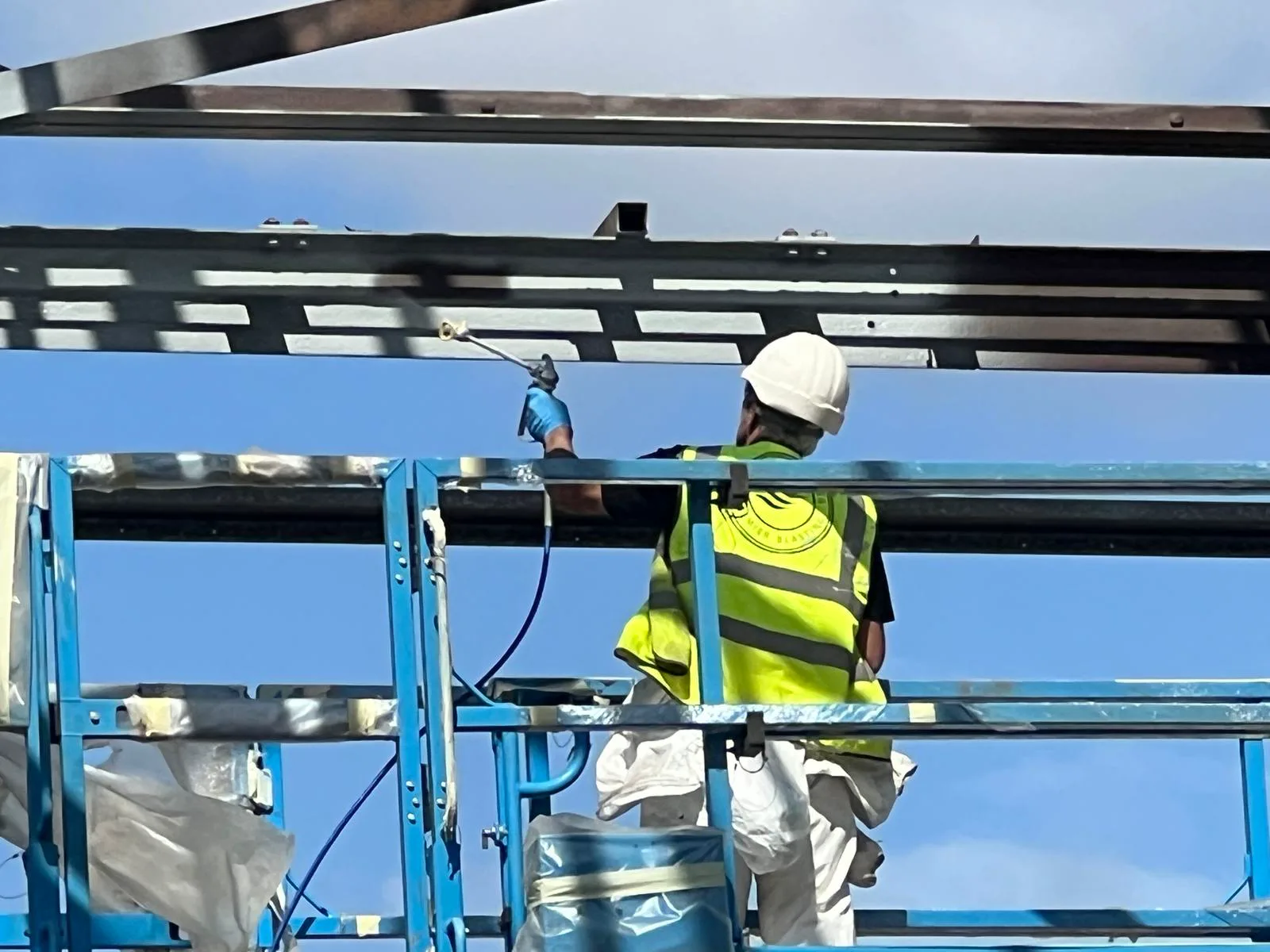
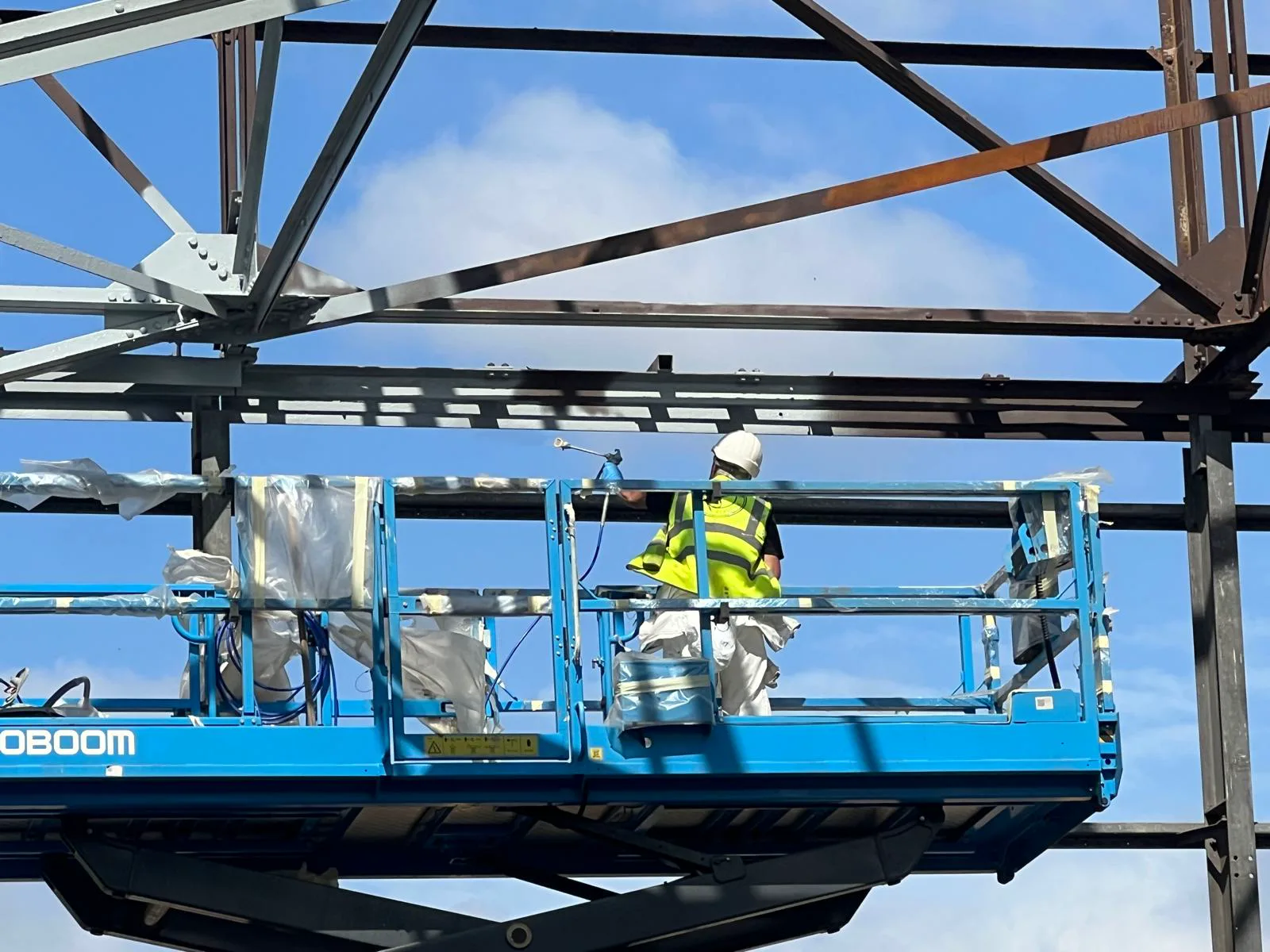
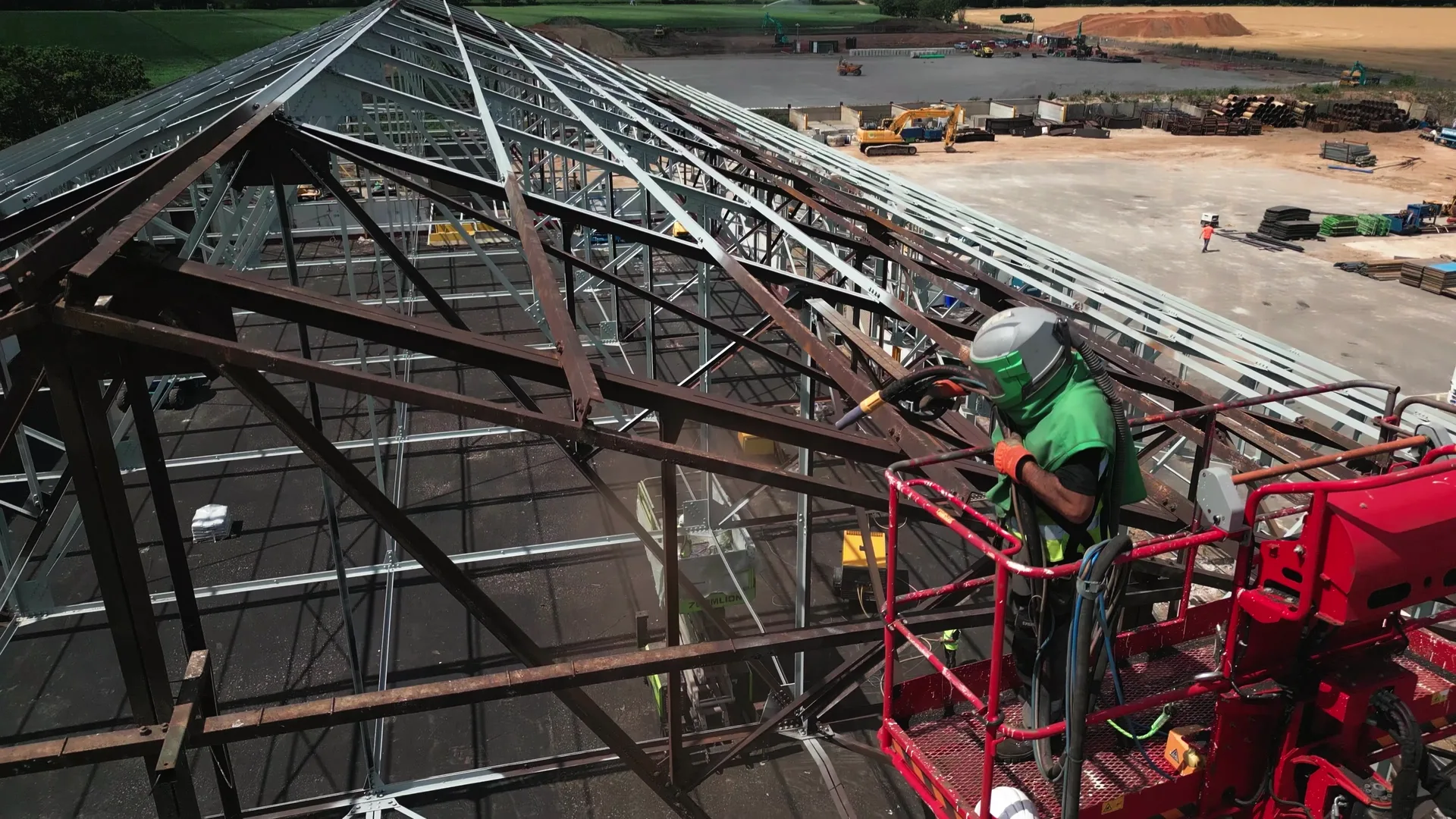
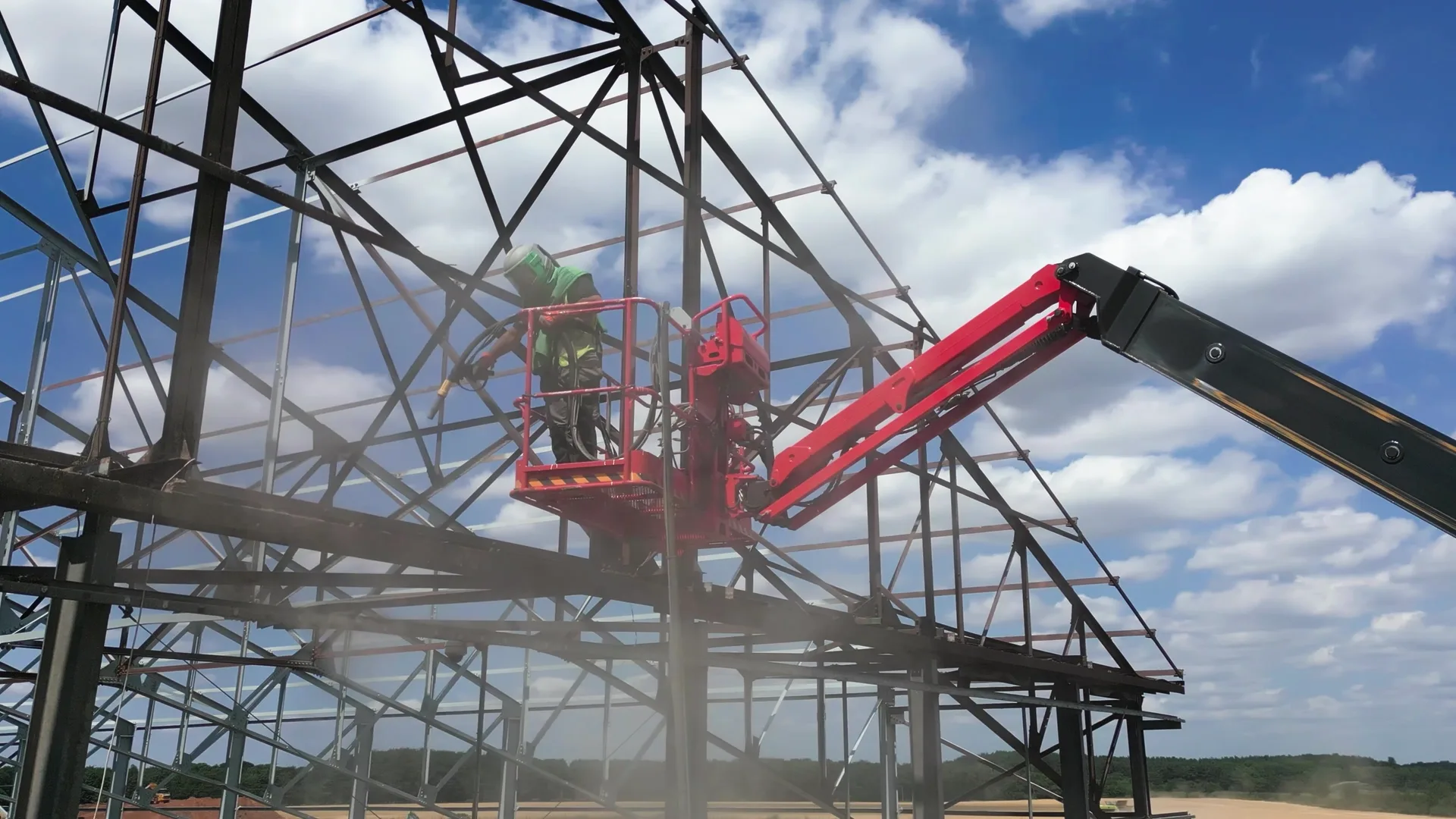
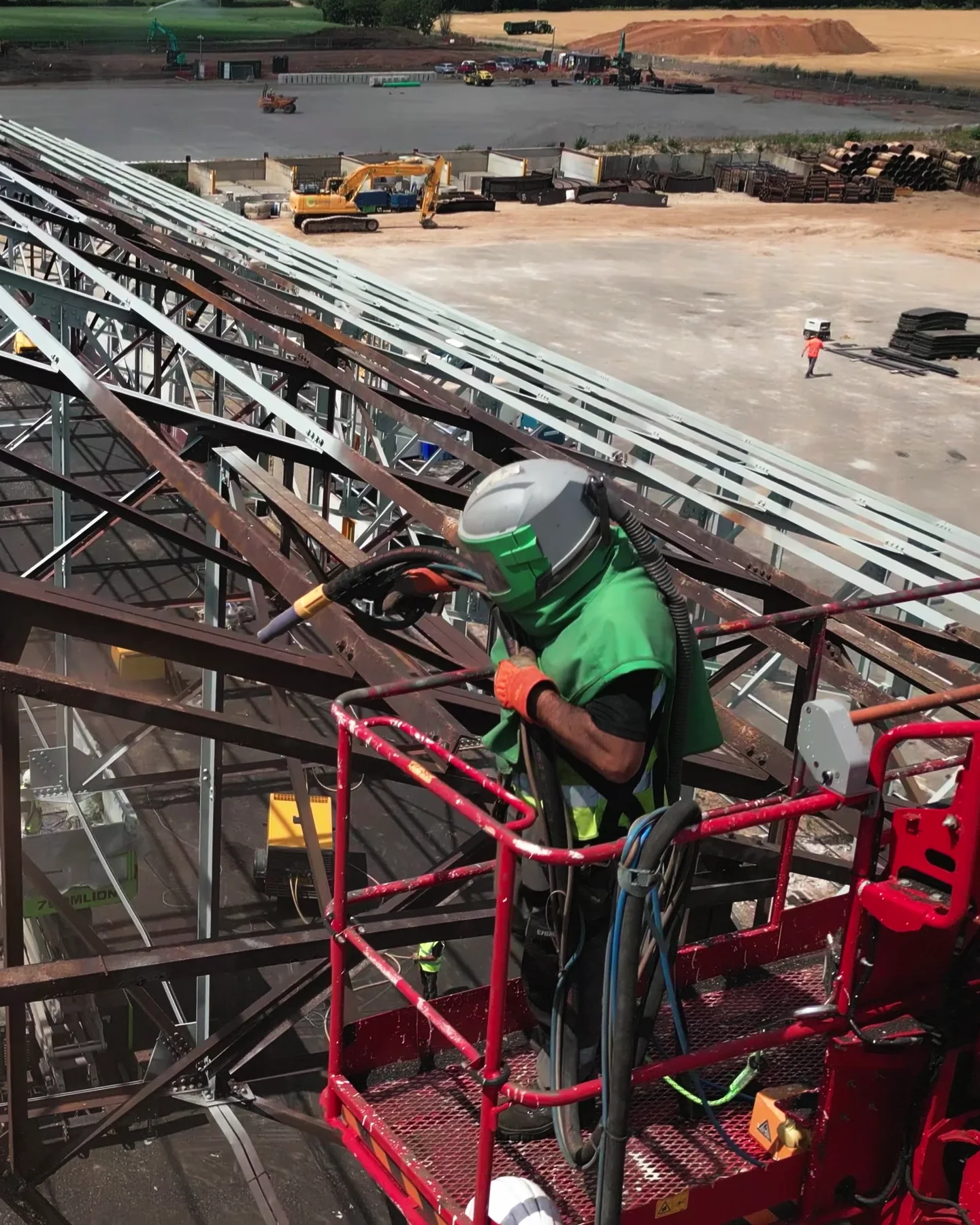
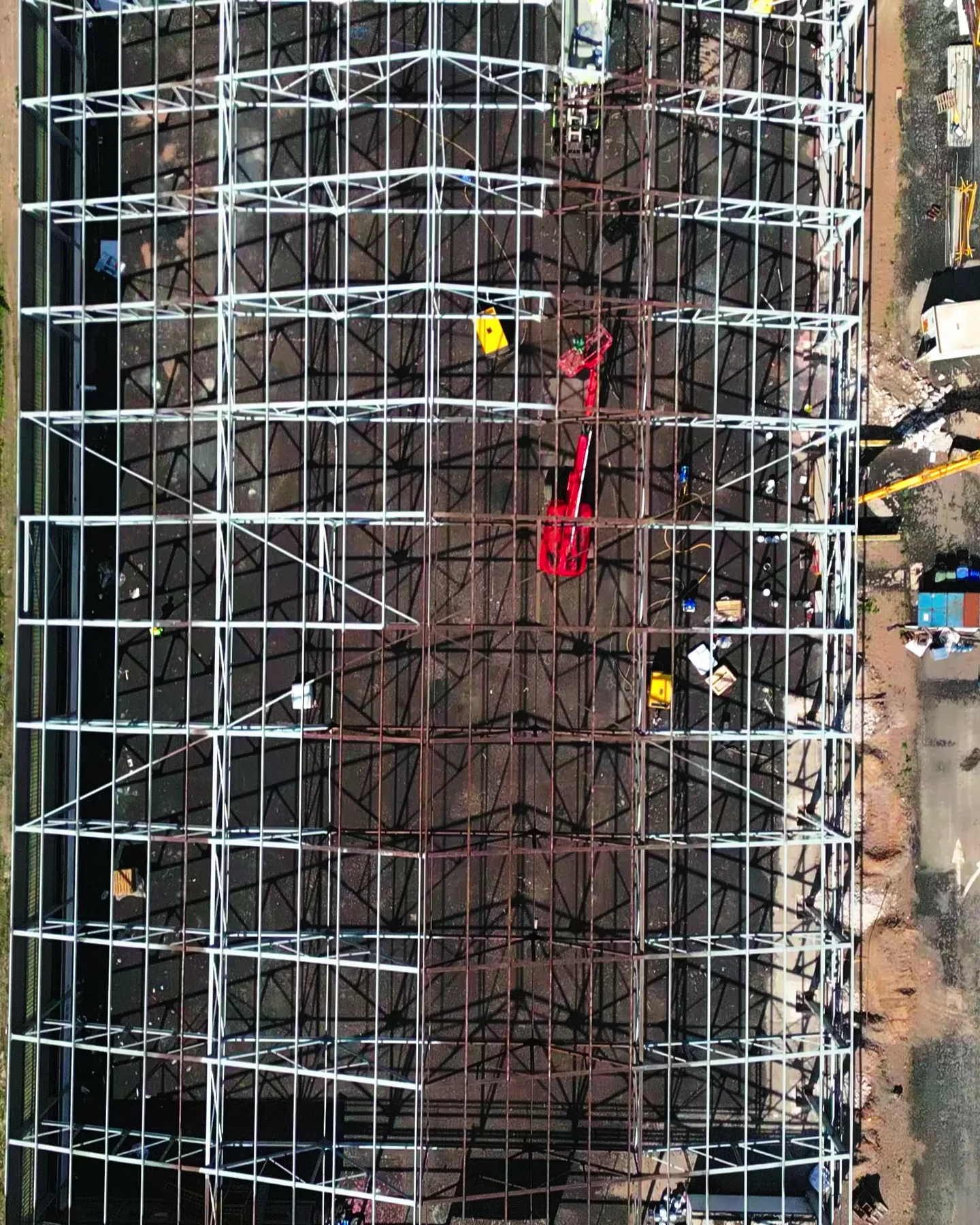
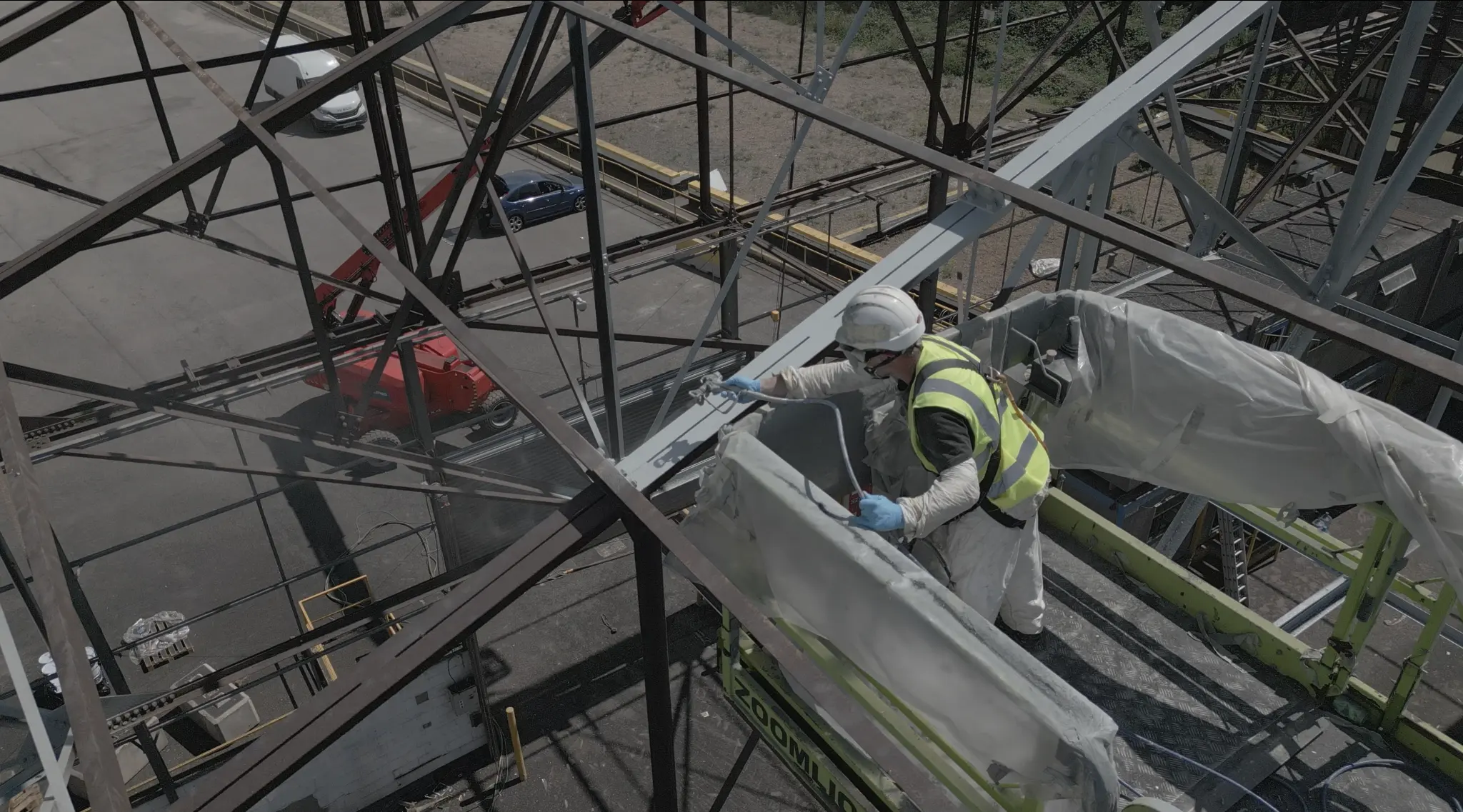
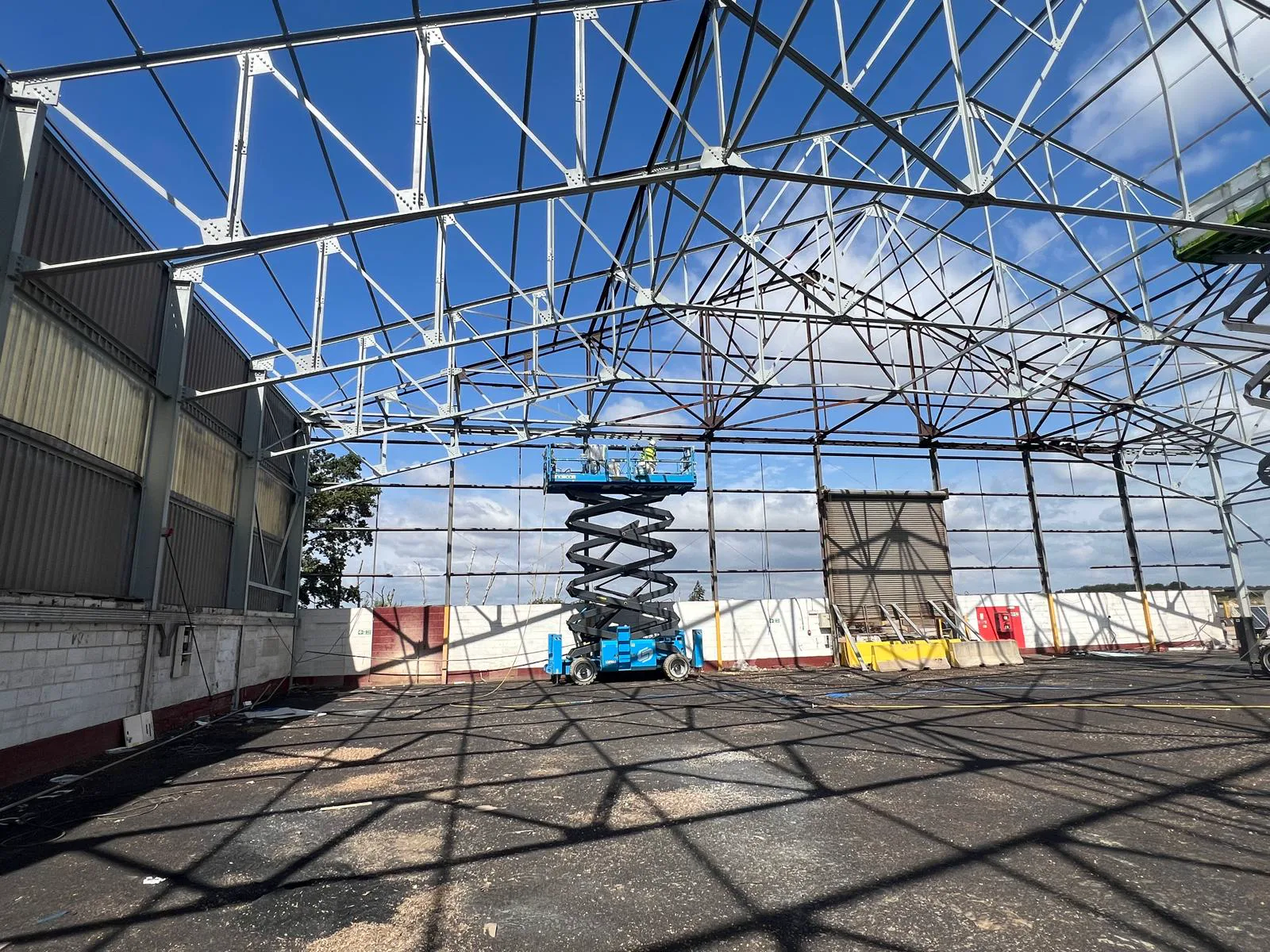
Yes. The combined service is designed for steelwork that needs blast cleaning before the protective coating system is applied. One contractor can coordinate preparation, compatible primer, intumescent application and topcoat. We also provide standalone intumescent painting where the substrate and existing primer are suitable and accepted.
02What fire-resistance periods can intumescent coatings support?
Structural-steel systems are commonly specified for 30, 60, 90 or 120 minutes. The correct product and required coating build are project-specific and depend on factors including steel section factor, limiting steel temperature, exposure, environment and the selected tested system.
03Why does surface preparation matter?
The protective system relies on a sound, clean and compatible substrate. Poor preparation, contamination or an incompatible primer can undermine adhesion and the completed coating system. Preparation requirements must follow the coating manufacturer and project specification.
04Can you apply intumescent coating to prepared and primed steel?
Yes, subject to the incoming surface condition, primer identity and compatibility with the specified intumescent system being accepted before work starts.
05What does Sa 2.5 surface preparation mean?
Sa 2.5 is the very thorough blast-cleaning grade defined by ISO 8501-1. Visible oil, grease, dirt, mill scale, rust, paint coatings and foreign matter are removed, with only slight traces permitted as spots or stripes. Where Sa 2.5 is specified, the prepared steel must also meet the approved coating system's requirements for cleanliness, profile and condition before priming or coating begins.
06How are intumescent painting works inspected for compliance?
Inspection should follow the project specification, the approved coating system and the responsible designer's requirements. Checks can include substrate condition, preparation standard, environmental conditions, product identity and batch information, compatibility between coats, application sequence, curing and the finished condition. Acceptance criteria and any required records should be agreed before work starts rather than assumed on site.